
Meditative Prayer: How to Pray Slowly and Listen
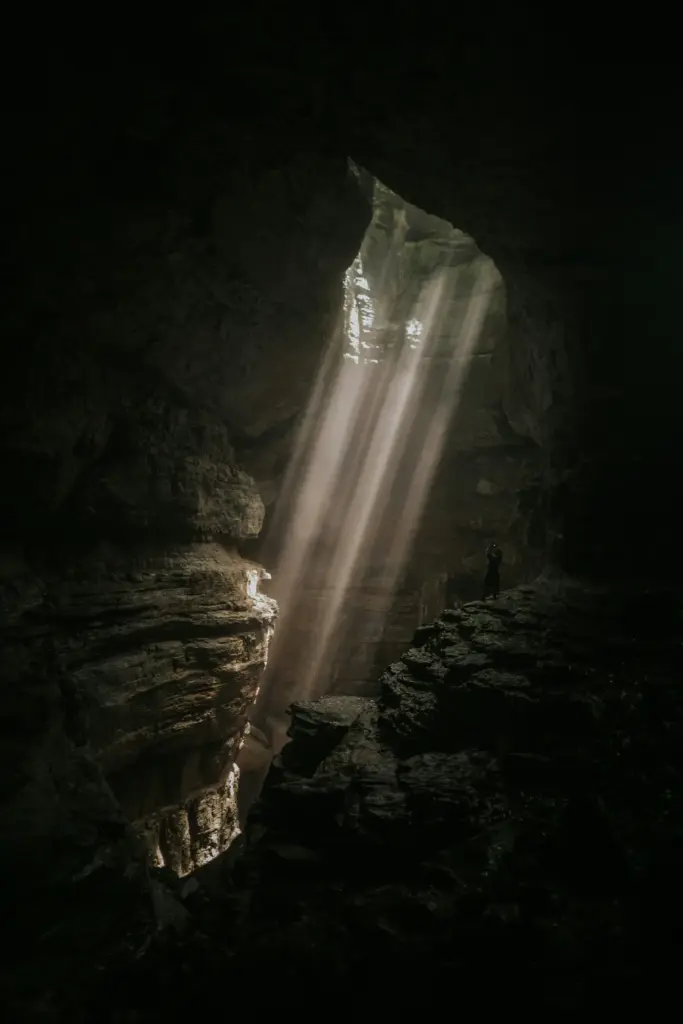
Meditative prayer is prayer that slows down. Instead of offering many words, you rest your attention on one thing, a single word, a short phrase, a line of scripture, an image or your own breath, and let it become a place of listening. It is less about speaking to God and more about being with God, unhurried, and noticing what rises in the quiet.
If your prayers have started to feel like a list, or if you find it hard to pray at all, meditative prayer can be a gentle way back. This guide explains what it is, how it relates to meditation and contemplative prayer, and how to begin in about ten minutes.
Meditative prayer, meditation and contemplative prayer
These words overlap, and different traditions use them in different ways. A simple way to hold them:
- Meditation is the broad practice of gathering and resting your attention. It can be religious or not.
- Meditative prayer is meditation turned towards God, or towards the Sacred. You still slow down and focus your attention, but the attention is relational: you are listening for Someone.
- Contemplative prayer often names the deeper, quieter end of the same path, where words and images fall away and you simply rest in God’s presence. Georgina Owino, who founded Live Unchained Now, explains it beautifully in What Is Contemplative Prayer?
In practice, meditative prayer is often where people begin. It gives the restless mind something gentle to hold, so that stillness has room to grow.
How to begin: a simple ten-minute meditative prayer
- Find a quiet place. Sit comfortably, feet on the floor, hands resting. Set a gentle timer for ten minutes so you don’t need to watch the clock.
- Arrive. Take a few slow breaths. Notice how you are, tired, anxious, grateful, numb, without trying to change it.
- Choose one focus. A single word (peace, love, abide), a short phrase (“Be still, and know that I am God”), or a few lines of scripture or poetry.
- Read or repeat it slowly. If it is a passage, read it two or three times, pausing between each reading. If it is a word or phrase, repeat it quietly in your mind.
- Listen. Notice which word or image catches you. Stay with it. Ask, gently: what is here for me today? You don’t need an answer.
- Respond. If words come, offer them: thanks, a question, a request, a confession. If no words come, simply stay.
- Rest. For the last minute or two, let go of the focus and rest in silence.
- Close. End with a simple word of thanks, and carry one phrase with you into the day.
Five gentle ways to practise meditative prayer
1. With a single word
Choose one short word that expresses your desire to be with God, and return to it whenever your thoughts wander. This is close to centering prayer, a well-known contemplative method.
2. With a short passage
Read a few lines of scripture slowly, several times, listening for the word or phrase that speaks to you today. This ancient way of reading is known as lectio divina; Georgina explains its four steps for beginners.
3. With your breath
Pair a short prayer with your breathing: one phrase as you breathe in, another as you breathe out. It is one of the simplest forms of meditative prayer. See our guide to breath prayer, with examples and a free printable card.
4. With an image or with colour
Some people pray more easily with their eyes than with words. You might rest your gaze on an icon, a painting or a view from your window, or pray with a pencil and a few colours, letting your hand move slowly while you listen. Our Healing Art practice grows from this same root: creativity as a doorway into stillness.
5. While walking
Walk slowly, outdoors if you can, and let a word or phrase match the rhythm of your steps. Notice what you see and hear as if it were part of the prayer, because it can be.
What to do with distractions
Your mind will wander. It wanders for everyone, including people who have prayed this way for decades. Distraction is not failure; it is simply the moment when you get to come back. Each time you notice you have drifted, gently return to your word, phrase or breath, without scolding yourself. Those small returns are the prayer.
If the same worry keeps coming back, you might name it once, offer it, and return to your focus. And if you find yourself crying, restless or simply tired, that is all right too. Meditative prayer has room for every part of you.
How long and how often?
Start small. Five to ten minutes a day is more helpful than an hour once a month. Many people find a regular time and place, first thing in the morning or just before bed, makes it easier to return. Over weeks, the practice tends to deepen on its own.
Meditative prayer is a contemplative practice, not a substitute for medical or mental health care. If you are struggling, please reach out to a qualified professional.
Keep going
Visit our Meditations page for a one-minute practice you can try now, and join our community below to receive our guided meditations as soon as they are ready. If you would like to explore retreats or sessions, get in touch.
Questions about meditative prayer
What is meditative prayer?
Meditative prayer is a slow, attentive way of praying in which you rest your attention on a single word, phrase, passage, image or your breath, and listen for God, or the Sacred, rather than offering many words.
What is the difference between meditative prayer and meditation?
Meditation is the broad practice of gathering and resting your attention, and it can be religious or not. Meditative prayer uses the same slowing down and focus, but it is relational: it is a way of being present to God.
How do I start meditative prayer?
Sit quietly for ten minutes, choose one word, phrase or short passage, repeat or read it slowly, notice what catches your attention, respond if words come, and finish with a minute of silent rest.
Do I need experience to practise meditative prayer?
No. You don’t need any experience in meditation or prayer to begin. Start with a few minutes and a single word, and let the practice grow from there.
Won’t you join us?
Gentle practices and reflections, straight to your inbox.
We’ll only email you about this work. Privacy Policy