
What Is a Quiet Retreat? A Gentle Guide to Resting in Silence
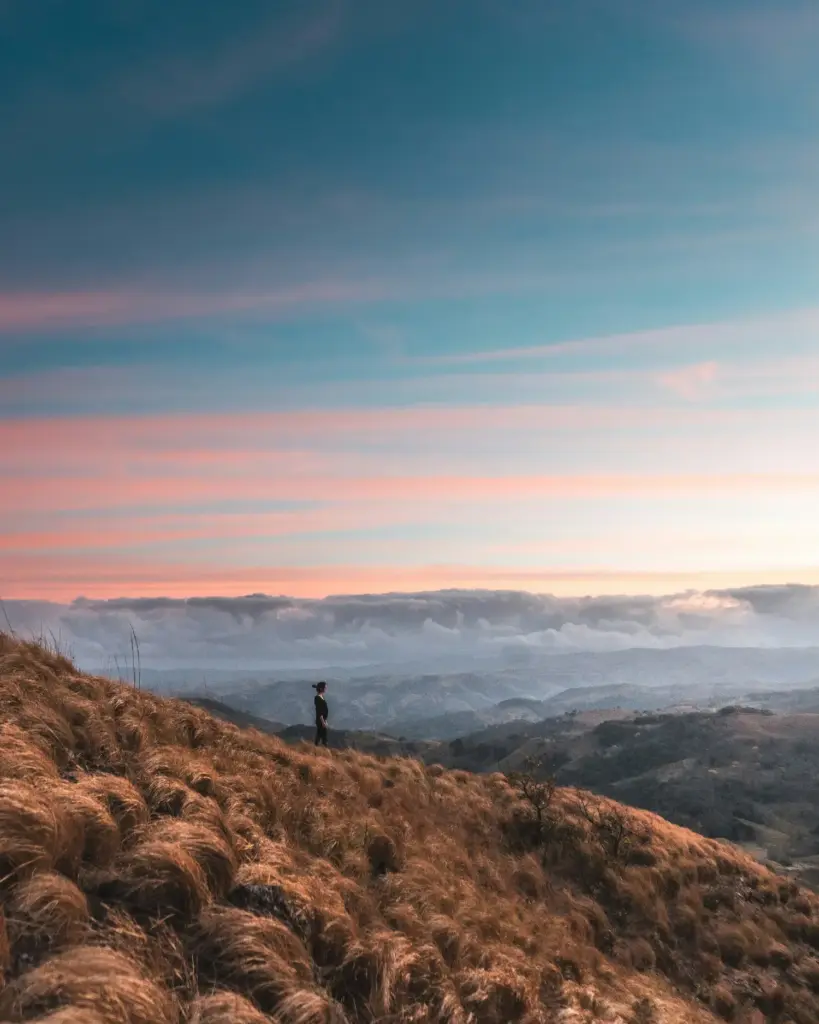
A quiet retreat is time set apart from the noise of everyday life, whether that is an afternoon, a whole day or a few days, to rest, reflect and listen. Quiet is the atmosphere rather than a strict rule: you step away from screens, schedules and demands, and let the pace of the day slow down until you can hear yourself, and the Sacred, again.
You don’t need to be an expert in meditation or prayer to take one. You only need to be willing to stop for a while. This guide explains what a quiet retreat is, how it differs from a silent retreat, what usually happens, and how to make one for yourself, even at home.
Quiet retreat or silent retreat: what’s the difference?
The two are close cousins, and people often use the words interchangeably. The difference is mostly one of degree:
- A silent retreat usually asks you to keep silence for most or all of the time: no conversation, often no phones, books or music. Silence is the practice itself.
- A quiet retreat keeps the same unhurried spirit but holds it more loosely. There may be some conversation, a little guidance, a shared meal where people talk gently. Quiet is the setting, not a vow.
If you have never spent extended time in silence, a quiet retreat can be a gentle first step. If you would like to understand what full silence involves, Georgina Owino, who founded Live Unchained Now, has written a thorough guide: What Is a Silent Retreat? What Actually Happens.
Who is a quiet retreat for?
A quiet retreat is for anyone who feels tired, searching or simply in need of a pause. It is especially helpful when:
- life has been loud and full for a long time, and you can’t remember the last time you heard yourself think;
- you are carrying something, a decision, a loss or a question, and want space to sit with it rather than rush past it;
- your faith or inner life feels dry, and you sense you need to slow down rather than try harder;
- you are simply curious about stillness and want to see what happens when you give it room.
No experience is needed. You don’t have to be religious, and you don’t have to arrive with the right words. Many people come weary; that is exactly the point.
What happens on a quiet retreat?
Every retreat is different, but most share a similar shape. Days are unhurried, with long stretches of open time and a few simple anchors. You might:
- Rest. Sleep when you are tired. Many people are surprised by how much rest their body asks for once it is allowed to.
- Walk slowly, ideally outdoors, without headphones and without a destination.
- Pray or meditate in whatever way feels honest to you: a few words, a short practice, or simply sitting and noticing.
- Write or draw. A notebook and a few colours can help you notice what is stirring. Creativity is a doorway: colour, line and movement can say what words cannot.
- Read a little, slowly. A single line read three times often does more than a chapter skimmed once.
- Eat simply and without a screen in front of you.
What a quiet retreat usually does not include is just as important: no email, no news, no to-do list, no pressure to achieve anything. The aim is not to be productive. It is to be present.
How to make a quiet retreat at home
You don’t need to travel to begin. A personal quiet retreat day at home can be deeply restorative, as long as you protect it. Here is a simple way to start.
Before the day
- Choose a date and guard it. Put it in your calendar as you would any important appointment.
- Tell the people around you. Let them know you will be offline and why, so you are not tempted to check in.
- Prepare simply. Plan easy meals, tidy one space where you will sit, and set out a notebook, a pen and a few colours.
- Put your phone away. Switch it off, or leave it in another room. This one step changes the whole day.
A gentle rhythm for the day
- Arrive (morning). Sit for a few minutes and breathe. Notice how you are, without trying to fix anything. You might begin with a breath prayer.
- Listen (late morning). Read a short passage or a single phrase slowly, and let it rest with you. Meditative prayer is a natural fit here.
- Move (midday). Eat simply, then walk outside for as long as feels good.
- Create (afternoon). Draw, colour or write without judging the result. Let your hands lead.
- Gather (evening). Write down anything you noticed, anything you want to remember, and one small thing to carry into tomorrow.
If a whole day feels like too much, start with two hours. Even a short, protected stretch of quiet is a real beginning.
What to bring
- comfortable, warm clothes and shoes for walking;
- a notebook and pen, and a few pencils or colours;
- a water bottle and simple food;
- one short text you love, if reading helps you;
- no expectations. You don’t need to bring anything to achieve.
If the quiet feels hard
It is normal for the first hours of quiet to feel restless. The mind keeps reaching for the next task, and things we have been too busy to notice can rise to the surface. Restlessness is not a sign you are doing it wrong. Be kind to yourself, slow down a little more, and let what comes up be there without needing to solve it.
A quiet retreat is a contemplative practice. It is not therapy and not a substitute for medical or mental health care. If you are going through something acute, or silence brings up more than you can hold, please reach out to a qualified professional. Many people find that retreat time sits well alongside professional support.
Silent retreats with Live Unchained Now
Our Silent Retreats are time set apart from the noise of everyday life: shared silence, unhurried hours and space to rest, reflect and listen to what is stirring within. You are welcome exactly as you are, whatever your beliefs, questions or doubts.
For details about upcoming retreats, get in touch. And if you would like gentle practices and reflections in your inbox in the meantime, join our community below.
Questions about quiet retreats
How long is a quiet retreat?
As long as you can give it. A quiet retreat can be a couple of hours, a full day, a weekend or longer. If you are new to stillness, a half day or a single day is a gentle place to start.
Can I go on a quiet retreat alone?
Yes. Many people take a personal quiet retreat on their own, at home or somewhere peaceful nearby. Others prefer a guided retreat, where shared silence and shared practice make the path lighter.
Do I need to be religious to go on a quiet retreat?
No. A quiet retreat draws on the contemplative tradition, and at Live Unchained Now we speak openly about the Sacred, but everyone is welcome, whatever your beliefs, questions or doubts.
Is a quiet retreat a form of therapy?
No. A quiet retreat is a contemplative practice, not therapy, and it is not a substitute for medical or mental health care. It can sit well alongside professional support.
Won’t you join us?
Gentle practices and reflections, straight to your inbox.
We’ll only email you about this work. Privacy Policy